
Standing in front of the seafood counter wondering what type of salmon you should buy? You’re certainly not alone.

What Type of Salmon Should I Buy?
Standing at the seafood counter trying to decide which salmon to buy? You’re not alone. From Tasmanian Atlantic salmon to wild Pacific varieties, there are plenty of options, each with its own flavour, texture, nutritional profile and best cooking method.
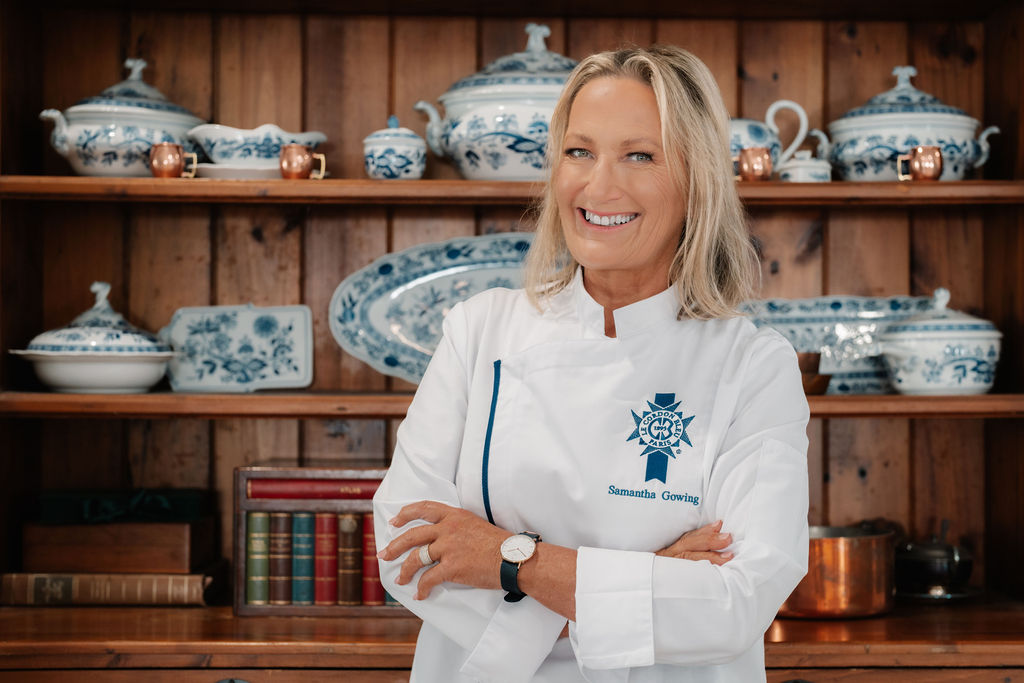
As a chef with more than 40 years of experience, I’ve prepared thousands of salmon fillets in restaurant kitchens, luxury resorts and home cooking classes. Choosing the right salmon doesn’t have to be complicated. Once you understand the differences, you’ll be able to select the best variety for your recipe, budget and personal values.
Understanding the Different Types of Salmon
There are several species of salmon available around the world, although not all are commonly sold in Australia.
Atlantic Salmon
Atlantic salmon (Salmo salar) is the salmon you’ll most often find in Australian fishmongers and supermarkets. Although native to the North Atlantic, almost all Atlantic salmon sold in Australia is farmed, predominantly in the cool, pristine waters of Tasmania.
Its rich marbling, mild flavour and buttery texture make it incredibly versatile. Whether you’re baking, grilling, pan-frying or poaching, Atlantic salmon remains a reliable choice for everyday cooking.

Wild Pacific Salmon
Wild Pacific salmon is harvested from the cold waters of Alaska, Canada and the northern Pacific Ocean. Unlike farmed salmon, these fish spend their lives feeding naturally on krill, shrimp and other marine organisms, resulting in leaner flesh, a deeper flavour and naturally vibrant colour.
The most common wild varieties include:
- King (Chinook): Rich, buttery and prized for its high omega-3 content.
- Sockeye: Deep red flesh with a bold, distinctive flavour.
- Coho: Mild, delicate and perfect for everyday meals.
- Pink: A lighter-flavoured salmon often used for canning.
- Chum (Keta): Lean with a milder flavour, commonly used for smoking.
Wild salmon is generally seasonal and often more expensive than farmed varieties, but many seafood lovers appreciate its firmer texture and robust flavour.
Fresh or Frozen?
Don’t overlook frozen salmon. In many cases, premium salmon is snap-frozen shortly after harvest, locking in freshness, flavour and nutrients. Unless you’re buying directly from a trusted fishmonger, frozen salmon can often be fresher than fish labelled as “fresh” that has spent several days in transit.
How to Choose Quality Salmon
Regardless of whether you choose farmed or wild salmon, look for:
- Bright, vibrant flesh with an even colour.
- Moist, firm flesh that springs back when pressed.
- Clean, fresh ocean aroma—not a strong fishy smell.
- Shiny, intact skin with no dry or brown edges.
Farmed or Wild: Which Is Better?
There isn’t a single right answer. Both farmed and wild salmon have their place on the table.
Wild salmon is typically leaner, firmer and has a more pronounced flavour. Farmed Atlantic salmon contains more healthy fats, making it moist, forgiving to cook and available year-round. Nutritionally, both provide an excellent source of high-quality protein and heart-healthy omega-3 fatty acids.
The best choice often comes down to your budget, cooking method and sustainability preferences.

Choosing Sustainable Salmon
If sustainability is important to you, look beyond whether the salmon is simply labelled “wild” or “farmed”. Responsible fisheries and well-managed aquaculture operations both play an important role in protecting marine ecosystems.
In Australia, organisations such as the Australian Marine Conservation Society’s Sustainable Seafood Guide provide up-to-date advice on seafood choices based on environmental impact. Some producers also hold independent certifications that assess animal welfare, traceability and responsible farming practices.
For example, Huon Salmon became Australia’s first salmon producer to achieve certification under the RSPCA Approved Farming Scheme for eligible farms, demonstrating its commitment to higher animal welfare standards. The company also invests heavily in fish health, biosecurity, vaccination programs, low stocking densities and traceable feed systems.
As with any food, it’s worth researching where your seafood comes from and choosing producers that are transparent about their farming practices.

SalmoFanTM – the range of pigments companies cColour reference inspired by the SalmoFan™ system. SalmoFan™ is a trademark of Roche. Source https://www.flickr.com/photos/caar/457972519
A Note on Colour
Many people are surprised to learn that the pink-orange colour of farmed salmon comes from astaxanthin, the same antioxidant pigment naturally found in krill and crustaceans that wild salmon eat.
Because farmed salmon don’t consume these natural food sources, astaxanthin is added to their feed. This ingredient is approved for use worldwide and is chemically identical to the pigment found in nature. Without it, farmed salmon flesh would appear pale grey rather than pink.
Chef Sam’s Tips for Cooking Salmon
- Rich Atlantic salmon is perfect for roasting, pan-searing like my Teriyaki Salmon and barbecuing.
- Wild King salmon shines with simple seasoning and gentle cooking.
- Sockeye pairs beautifully with Mediterranean flavours like olives, capers, tomatoes and fresh herbs.
- Leftover salmon makes excellent fish cakes, filo parcels, burgers or salads.
- Smoked salmon works beautifully with stronger-flavoured wild varieties.
My Final Thoughts
Whether you choose Tasmanian Atlantic salmon or sustainably sourced wild Pacific salmon, both can be nutritious and delicious additions to your menu. Rather than asking which salmon is “best”, I encourage you to consider how the fish was produced, where it came from and how you plan to cook it.
A little knowledge goes a long way towards making a confident, informed and delicious choice.


You must be logged in to post a comment.