Garlic has earned its place as one of the world’s most celebrated culinary ingredients. Beyond its unmistakable aroma and flavour, the health benefits of garlic have been recognised for thousands of years across many cultures. Today, research suggests garlic contains sulphur-rich compounds, including allicin, that may support cardiovascular health and provide antioxidant activity when enjoyed as part of a balanced diet. Whether roasted until sweet and caramelised or finely chopped into fresh dishes, garlic remains a cornerstone of healthy, flavourful cooking.
The classic macabre tale of the sinister life of a Romanian Prince known as Count Dracula has frightened us for over a century. His overall disdain for the pungent garlic clove, nocturnal search for haemoglobin and penchant for sleeping in a coffin, combined with his lack of reflection, have made him a very menacing creature indeed.
It is purported that vampires may have suffered from a rare disease known as “Porphyria”. Symptoms of this illness may include sensitivity to sunlight, forcing them to only venture out at night. In the most severe form their teeth and bones become fluorescent – they would shine a horrific shade of pink or red. Such pallor and pasty complexion results from blood not being delivered to the red blood cells, supposedly instilling a deep yearning for blood.
Even the smell of garlic causes Porphyria patients nausea and therefore worsens their condition. King George III was also said to have suffered from Porphyria, which poisons the immune system and can lead to mental disturbance.
“The honest flavour of fresh garlic is something I can never have enough of.” – James Beard
In a catalytic chain of events, iron is chelated to produce heme. It is then utilised into the oxygen-carrying proteins haemoglobin and myoglobin, and cytochrome molecules, which are essential for the continuous production of Adenosine Triphosphate. Defects to the biosynthetic pathway of heme can cause metabolic diseases such as Porphyria, and decrease potential enzyme catalysis. Porphyria can present with a combination of symptoms including gastrointestinal, psychiatric and neurological disorders.
Studies of garlic as a healing herb are profound, and there is conclusive evidence of garlic lowering the risk of heart disease, gastric and colon cancer and potentially hazardous cholesterol levels. Whatever your bite, there is no doubt that garlic is an imperative addition to our daily diet. Perhaps The Count and his bleeding mates could have improved their wellbeing with a clove or two – all due respect to Transylvanian myth, of course!
The Stinking Rose
“No cook who has attained mastery over her craft ever apologises for the presence of garlic in her productions.” Ruth Gottfried, The Questing Cook
Garlic (Allium sativum) is thought to be native to central Asia and is used prolifically throughout the culinary world. Its history dates back over 5000 years to Sanskrit times and has always been revered for its medicinal actions by the Chinese. The pungency of the bulb varies from the mild Elephant or Russian garlic, to the stronger, more common white knobs.
These pungent bulbs are members of the same family as the lily flower. Garlic, leeks, onions, shallots and chives all marry well together or can be an independent flavour and enhancement to any dish. When these aromatic vegetables are combined with chilli and ginger, they provide the foundations for much of the cuisine of South East Asia.
The active healing ingredient in garlic comes from its high antioxidative sulphuric compounds, which enter the bloodstream after digestion and are then released through the pores. When garlic cloves are cut the antibacterial agent and pungent odour, allicin, is activated. Allicin has the power to block carcinogens in food, inhibit blood cells from clotting, and prevent hardening of the arteries. Its antibacterial properties assist in the fight against internal germ warfare, combating bacteria such as E. coli.
Garlic is considered Nature’s antibiotic, reducing the incidence of common colds, warming us up and helping to move energy throughout the body. A garlic poultice applied topically to the inflamed area may help to alleviate arthritic pain. Even our dogs will tolerate and benefit from garlic as a powerful antibacterial agent.
The healing properties of the Allium species are well documented throughout history. They have been embraced by both East and West for their culinary value and medical efficacy. Although celebrated for their healing effects, it is wise to note that they are also powerful herbs and are strongly medicinal, thus they need to be used cautiously within the daily diet.
Is garlic medicinal?
Garlic may also be used antibiotically as was done during World War II when doctors would prevent gangrene and toxic poisoning by applying a topical poultice of mashed garlic to the wound.
Thermal processing of garlic inhibits its healing powers, so daily consumption of a clove of raw garlic is recommended. Raw garlic can be sliced paper thin and added to salads and steamed vegetables just before serving. There are many garlic supplements available on the market, but why waste precious dollars for a manufactured tablet when the real thing is so abundantly available and the absolute backbone of our culinary world?
FAQs
Is raw garlic healthier than cooked garlic?
Raw garlic contains higher levels of allicin, a sulphur compound formed when garlic is crushed or chopped. Cooking softens its flavour and changes some of these compounds, but both raw and cooked garlic can be enjoyed as part of a healthy diet.
What are the health benefits of garlic?
Garlic contains antioxidant plant compounds and has been studied for its potential role in supporting cardiovascular health. Current evidence suggests any benefits are modest and garlic is best enjoyed as part of an overall healthy eating pattern rather than as a cure-all.
How should garlic be stored?
Store whole garlic bulbs in a cool, dry, well-ventilated place away from direct sunlight. Avoid refrigerating whole bulbs, as this may encourage sprouting.
Can you eat sprouted garlic?
Yes. Garlic that has sprouted is still safe to eat unless it has become mouldy, soft or spoiled. Removing the green shoot can reduce any bitter flavour.
What is black garlic?
Black garlic is fresh garlic that has been slowly aged under controlled heat and humidity. The process produces a soft texture and sweet, umami-rich flavour, making it ideal for sauces, dressings and marinades.
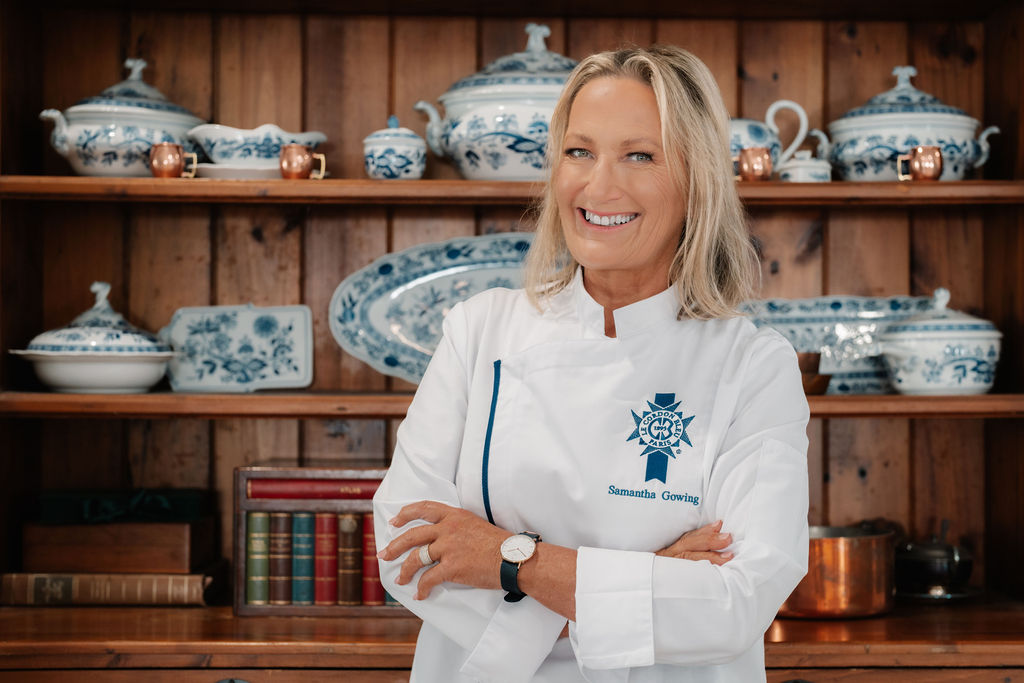
Chef Sam Gowing is one of Australia's leading voices in Food as Medicine, blending over 40 years of culinary expertise with evidence-based nutrition. A Le Cordon Bleu Master's graduate and qualified Clinical Nutritionist, Sam creates delicious, science-backed recipes that support health without compromising on flavour.
Table of Contents
Cook with confidence. Eat with purpose.
Healthy recipes for every season, every table and every stage of life.
Explore my Work With Me page to learn more about keynote speaking, consulting, culinary experiences and collaborations.
Or simply complete the form below and I’ll be in touch to discuss your project.
This website is using cookies
This website is using cookies.
We use cookies on our website to improve your browsing experience and analyse site traffic. These cookies are essential for certain functionalities and remember your preferences. By clicking ‘Accept,’ or continuing to browse the site, you consent to the use of all cookies and you agree to the placement of these optional cookies on your device.



You must be logged in to post a comment.